Learning to Cook Is a Better Souvenir Than a Fridge Magnet
Among all the ways to spend a travel afternoon, cooking classes while traveling consistently rank among the most memorable — you leave with a skill, not just a photo, and usually a genuinely good meal too.
Why Cooking Classes Beat Typical Tourist Activities
Quick answer: cooking classes offer hands-on cultural immersion, direct interaction with local instructors, and a tangible skill you’ll actually use again — something most standard sightseeing tours don’t provide.
Top Destinations for Cooking Classes
- Bangkok, Thailand — Thai curry and street food techniques, widely available and affordable
- Chiang Mai, Thailand — often includes a local market tour before cooking
- Tuscany, Italy — pasta-making classes in genuine countryside settings
- Marrakech, Morocco — tagine and traditional spice-based dishes
- Kerala, India — coastal seafood and coconut-based southern Indian cooking
Chiang Mai stands out particularly — many classes start with an actual market visit, teaching you to select ingredients the way local cooks do, before heading to the kitchen.
What to Expect From a Typical Class
Most cooking classes while traveling run 3-5 hours, including a market visit, hands-on preparation of 3-5 dishes, and a shared meal at the end. Group sizes vary — smaller classes (under 8 people) usually offer more individual instructor attention.
[link to related guide about local culture experiences here]
Cost Comparison
Southeast Asian cooking classes generally run $25-45 per person, often including the market tour and all ingredients. Italian and Moroccan classes lean pricier, typically $60-100, reflecting ingredient costs and often more elaborate settings.
Choosing the Right Class for You
Look beyond generic tourist-agency listings — smaller, family-run classes often provide a more personal, less rushed experience. Reviews mentioning “hands-on” specifically are worth prioritizing over classes that are mostly instructor demonstration.
Dietary Restrictions and Special Requests
Most established cooking schools accommodate vegetarian or dietary requests with advance notice. Always mention restrictions when booking, not on arrival, to avoid the class scrambling for substitute ingredients.
A Real Example Worth Sharing
I took a Thai cooking class years ago in Chiang Mai and still make the green curry paste from scratch occasionally — genuinely one of the few travel activities where the “souvenir” is a skill I actually use regularly at home.
Solo Travelers and Cooking Classes
These classes work particularly well for solo travelers — the shared cooking and eating experience naturally creates conversation with other participants, without the awkwardness of a purely social meetup.
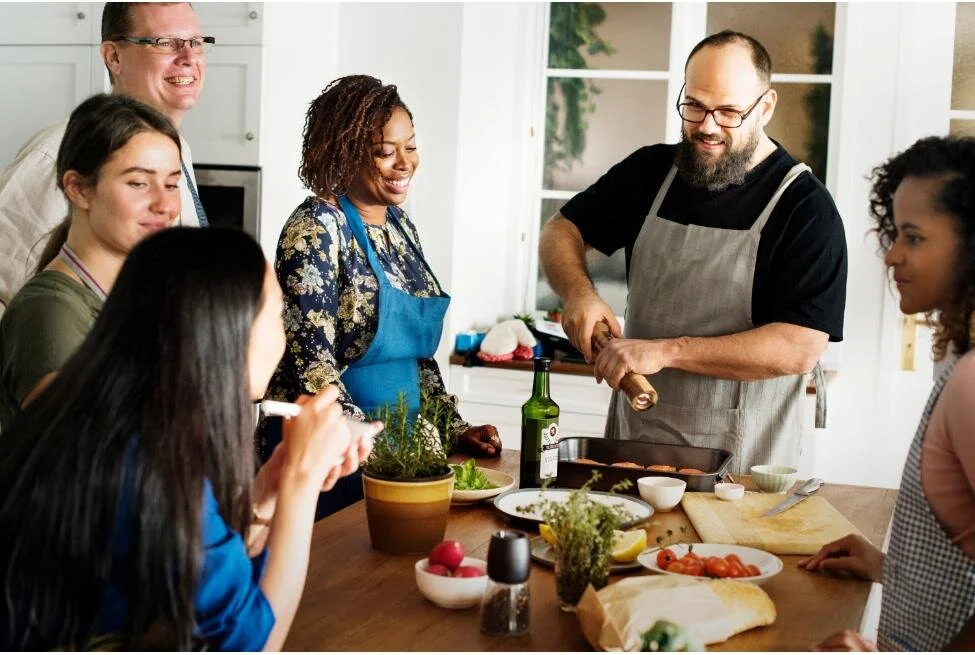
[Suggested alt text: “Hands-on cooking class with local instructor preparing traditional dish”]
FAQ
Q: How long do most cooking classes last? Typically 3-5 hours, including a market tour, hands-on cooking, and a shared meal at the end.
Q: Are cooking classes good for solo travelers? Yes, they naturally facilitate conversation with fellow participants, making them a great activity for solo travelers.
Q: Can I request vegetarian options? Most established cooking schools accommodate dietary requests with advance notice at booking.
Q: Which destination offers the best value cooking classes? Southeast Asia, particularly Thailand, generally offers excellent value combined with genuinely rich culinary traditions.
Q: Do cooking classes include a market visit? Many do, especially in Thailand — it’s often considered one of the most valuable parts of the experience.
Wrapping Up
Cooking classes while traveling offer something most tourist activities can’t — a skill you keep long after the trip ends. Book one, even if cooking isn’t usually your thing; it’s a genuinely different way to connect with a place.