More Than Just Seeing Animals From a Jeep
A good safari isn’t just about ticking off the Big Five from a checklist. This wildlife safari guide focuses on picking the right park, timing your trip well, and understanding what actually makes a safari genuinely memorable.
Choosing the Right Park for Your Trip
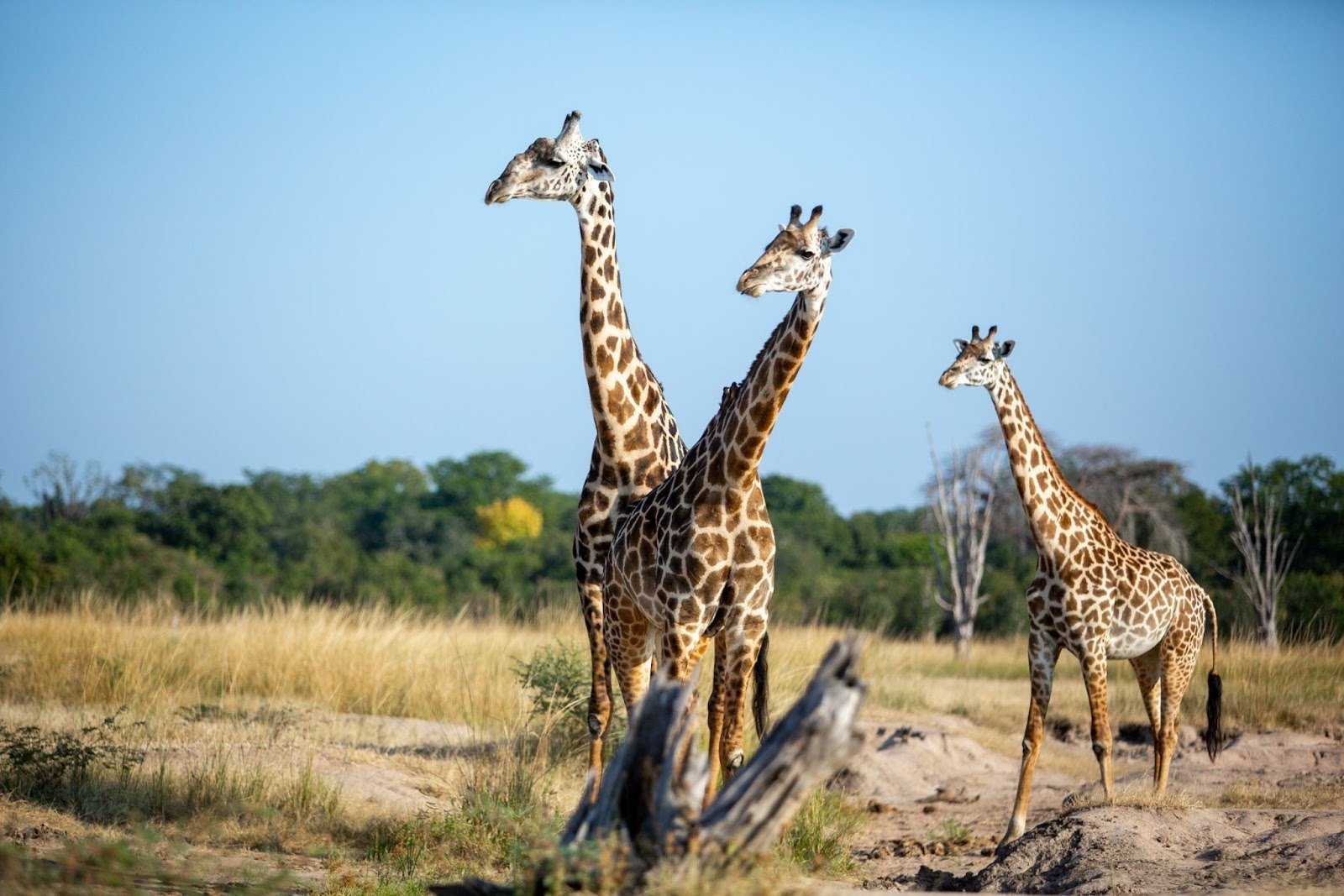
Different parks specialize in different experiences. The Serengeti and Masai Mara are famous for the Great Migration. Kruger offers excellent self-drive options. Okavango Delta focuses more on water-based wildlife viewing by boat.
Quick answer: for first-time safari-goers wanting the classic experience, Masai Mara or Serengeti during migration season (July-October) offers the most reliably spectacular wildlife viewing.
Best Time to Visit Different Parks
- Masai Mara, Kenya — July to October for the Great Migration river crossings
- Kruger, South Africa — May to September dry season for concentrated wildlife near water
- Okavango Delta, Botswana — June to August, water levels ideal for boat safaris
- Serengeti, Tanzania — varies by month depending on migration location
Budget: Luxury vs Mid-Range Safaris
A wildlife safari guide isn’t complete without honest budget numbers. Luxury lodges can run $600-1,200 per person per night, all-inclusive. Mid-range tented camps offer a genuinely good experience for $150-300 per night, still with guided game drives included.
[link to related guide about adventure travel destinations here]
Self-Drive vs Guided Safaris
Kruger National Park is one of the few places where self-driving is genuinely practical and well-supported with clear roads and facilities. Most other major parks strongly recommend guided drives, both for safety and because guides know where animals actually gather.
Packing for a Safari
- Neutral-colored clothing — khaki, olive, brown, avoiding bright colors and white
- Binoculars, genuinely essential, not optional
- A good zoom lens if photography matters to you
- Warm layers for early morning drives, even in generally hot regions
Ethical Considerations Worth Knowing
Choose operators that follow strict wildlife distance guidelines and contribute to local conservation efforts. Some cheaper operators cut corners here, pushing vehicles too close to animals for the sake of better photos — something worth researching before booking.
A Small Story From the Field
I’ve heard from more than one safari guide that the “quiet” moments — watching a herd of elephants simply drinking at a waterhole for twenty minutes — end up being more memorable for guests than the dramatic predator chases everyone expects going in.
Health Precautions
Malaria prophylaxis is often recommended depending on the region and season — consult a travel doctor 4-6 weeks before departure. Also confirm yellow fever vaccination requirements, which some countries require for entry.
[Suggested alt text: “Safari jeep with tourists observing elephants in African savanna”]
FAQ
Q: What’s the best month for the Great Migration? July through October generally offers the best chance of witnessing dramatic river crossings in the Masai Mara.
Q: Is a self-drive safari safe? In parks like Kruger, yes, with proper preparation — most other major parks recommend guided drives instead.
Q: How much does a mid-range safari cost per day? Roughly $150-300 per person per night including guided game drives and meals at mid-range tented camps.
Q: Do I need vaccinations for an African safari? Often yes, depending on the country — yellow fever and malaria precautions are commonly required or recommended.
Q: What should I pack for early morning game drives? Warm layers are essential even in hot regions, since early mornings can be surprisingly cold before sunrise.
Wrapping Up
This wildlife safari guide really comes down to picking the right park for your priorities and timing your visit around migration or dry seasons. Book with a reputable, ethical operator, and give yourself enough days to actually slow down and watch.