The Airline Industry Keeps Consolidating — Here’s Why It Matters
Every time news breaks about airline mergers 2026 has seen, travelers understandably worry about what it means for their upcoming bookings, loyalty points, and future ticket prices. Fair concern — mergers genuinely do reshape things.
Why Airlines Merge in the First Place
Quick answer: airline mergers typically aim to reduce operational costs, expand route networks, and strengthen competitive positioning against larger rivals — not usually to directly benefit passengers, despite what press releases claim.
What Happens to Existing Bookings
Generally, existing bookings honor original terms even through a merger process, though route numbers or aircraft may shift as integration proceeds. Airlines are legally required to notify passengers of any significant schedule changes affecting confirmed bookings.
Impact on Loyalty Programs
This is often the biggest practical concern among frequent flyers. Loyalty program mergers typically combine point systems eventually, though the transition period can be messy — sometimes taking 12-18 months for full integration.
- Existing points generally transfer, though conversion ratios may apply
- Elite status is usually honored during transition periods
- Watch for temporary booking restrictions during system integration
[link to related guide about flight comparison sites here]
Route Changes to Expect
Mergers often lead to route consolidation — overlapping routes between merging carriers sometimes get reduced, while previously underserved routes occasionally gain new service as the combined network reorganizes.
Price Impact: The Honest Picture
Here’s an honest take on airline mergers 2026 — reduced competition on specific routes can push prices upward over time, even though initial merger announcements rarely mention this directly. Watch specific routes you fly regularly for gradual price shifts over the following year.
What Travelers Should Do During a Merger Period
- Book loyalty redemptions sooner rather than later if program changes are announced
- Keep documentation of any booking confirmations in case of system transition issues
- Monitor official airline communications directly, not just news headlines, for specific changes affecting your bookings
A Realistic Industry Perspective
I’ve noticed press coverage of mergers tends to focus heavily on “exciting new route possibilities” while underplaying the reduced competition angle. Both things are usually true simultaneously — some genuine benefits, alongside real downsides for frequent travelers on affected routes.
Regulatory Scrutiny
Major mergers typically require regulatory approval, sometimes with conditions attached — like maintaining service on specific routes or divesting certain slots to preserve some competition. This process can take a year or more before full integration completes.
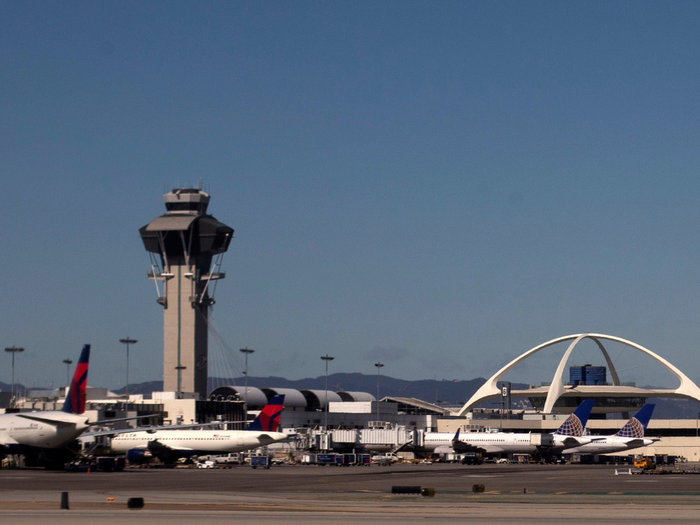
[Suggested alt text: “Airline planes at gate representing industry merger and consolidation”]
FAQ
Q: Will my existing flight booking be affected by a merger? Generally bookings are honored, though schedule or aircraft changes are possible — airlines must notify passengers of significant changes.
Q: What happens to my frequent flyer miles during a merger? Points typically transfer eventually, though full integration can take 12-18 months, so redeem strategically during transition periods.
Q: Do airline mergers always lead to higher prices? Not always immediately, but reduced competition on specific routes can push prices upward gradually over time.
Q: How long do airline mergers typically take to fully complete? Full integration, including loyalty programs and route networks, often takes 1-2 years from announcement to completion.
Q: Should I book flights differently during a merger period? It’s wise to book loyalty redemptions early if changes are announced, and keep documentation of confirmations handy.
Wrapping Up
Understanding airline mergers 2026 helps you plan smarter around loyalty points and potential price shifts. Keep an eye on official airline communications directly, and don’t assume every merger announcement is purely good news for passengers.